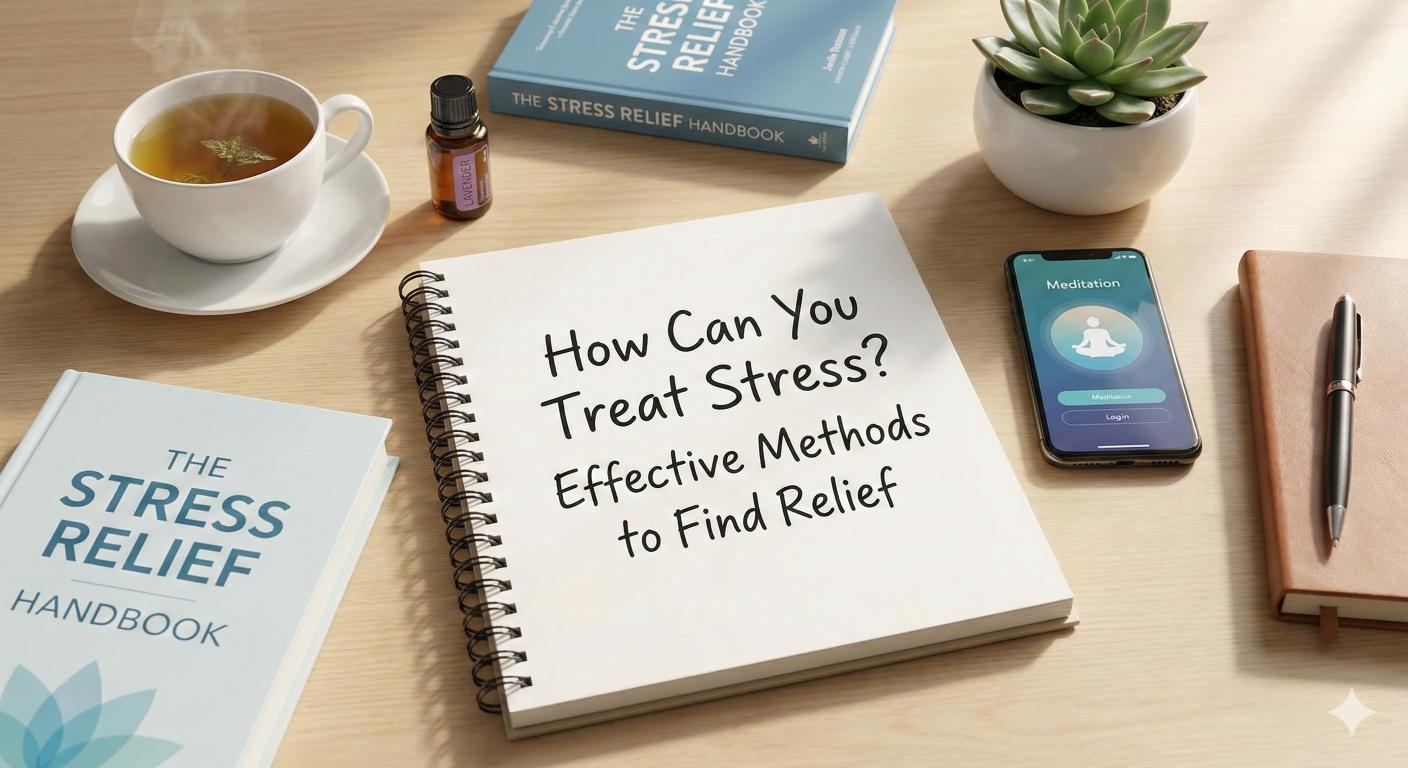
Feeling overwhelmed by stress is a common experience, but learning how to treat it can make a real difference in your health and daily life.
In this post, we’ll explore practical and effective methods for reducing stress, building resilience, and restoring balance.
Regular physical activity is highly effective in reducing stress. Stress triggers the release of hormones like cortisol, but exercise lowers1 these levels and boosts endorphins, the body’s natural mood enhancers.
Activities such as brisk walking, running, or yoga can improve your mood and offer a healthy distraction from daily concerns. Incorporating exercise into your routine can greatly enhance stress management.
If high-intensity workouts are daunting, consider these alternatives:
Consistency is key. Integrating physical activities into your daily routine ensures continuous stress relief and better mental well-being. Prioritizing exercise fosters a proactive approach to stress management, enhancing sleep patterns and overall health.
Your diet plays a significant role in how your body responds to stress. Maintaining a balanced diet rich in fruits, vegetables, and whole grains supports overall health and reduces the body’s response to stress. Certain nutrients, like omega-3 fatty acids2 found in fish and nuts, can help regulate cortisol levels, the hormone often associated with stress.
Being mindful of what to avoid is equally important. Excessive caffeine3 and sugary foods can elevate stress levels and cause energy crashes, complicating daily challenges.
Stress often leads to cravings for high-calorie, low-nutrition comfort foods, which can worsen stress instead of alleviating it. This cycle of stress and poor dietary choices causes further complications.
Conscious eating choices help maintain your body’s balance and improve its ability to handle stress. Incorporating a variety of healthy foods and avoiding stress-inducing ones fosters a more positive and resilient mindset.
Mindfulness and meditation are effective techniques for managing stress and enhancing mental health.
Practicing mindfulness heightens present-moment awareness, reducing anxiety and stress by focusing the mind on the present. Meditation, through guided sessions, deep breathing, or visualization, promotes emotional balance and self-awareness.
Various meditation practices, including mantra repetition and mindfulness techniques, are practical tools for stress relief and can be done anywhere. Regular practice builds resilience and improves coping strategies. Activities like yoga and tai chi combine physical movement with mindfulness, further aiding stress relief.
Counselors often teach mindfulness techniques such as guided meditation, deep breathing, and visualization. These methods foster self-awareness and calmness, equipping individuals with a mental toolkit to handle life’s challenges more effectively.
Social connections are vital for mental health and stress relief. Strong ties connect:
Supportive relationships provide:
These aspects aid in stress management.
Community activities foster connections and alleviate isolation. Participating in group activities, joining clubs, or volunteering helps provide healthy distractions from stress and enhances overall well-being for others. For example, these activities can significantly improve social interactions.
Maintaining social connections doesn’t require a large circle of people or one friend.
Even a few close relationships with family or friends might make a significant enough difference, providing a support system to better cope with life’s challenges. In fact, these connections can be crucial for emotional change and well-being.
Adequate sleep is crucial for effective stress management4. Key points include:
To improve sleep quality, create a restful environment by keeping your bedroom cool, dark, and quiet. Remove electronic devices and develop a calming bedtime routine.
These practices ensure deep sleep, which is crucial for reducing stress levels.
Being well-rested equips your body and mind to handle stress better. Prioritizing sleep involves both quantity and quality. Ensuring restful sleep significantly improves stress management and daily functioning.
Journaling is an effective tool for emotional release and stress management. Writing down thoughts and feelings releases pent-up emotions and provides clarity, helping to better process experiences and understand emotional responses.
In journaling, grammar or spelling perfection isn’t necessary. The aim is to let thoughts flow freely and express feelings without judgment.
This new practice may offer insights into stressors and aid in developing healthier coping mechanisms that enhance personal growth.
Self-care and coping strategies aren’t always sufficient for effective stress management. If you’re struggling to cope, professional help can offer crucial support. Significant daily life interference from anxiety indicates a need for professional assistance.
Counselors use empathetic listening and structured tools to assess stress sources, aiding in better management. They offer psychoeducation on stress, explaining its impacts and coping methods.
At Grand Rising Behavioral Health, we know that stress can weigh heavily on your mind and body, making it difficult to feel balanced and in control of your life. That’s why our outpatient treatment center in Norwood, Massachusetts, provides a compassionate, structured environment where adults can access the right level of care.
Whether through Partial Hospitalization, Intensive Outpatient, or Outpatient therapy, our programs are designed to meet you where you are, offering flexibility while ensuring you receive the consistent support needed to heal.
With our Joint Commission accreditation, you can feel confident knowing our care meets the highest standards of safety and effectiveness.
Our team of licensed clinicians specializes in treatments like CBT, DBT, EMDR, trauma-informed therapy, and medication management, tailoring each plan to your individual needs.
Alongside traditional approaches, we also integrate mindfulness practices, skill-building workshops, and holistic support that focus on the whole person. Every step of your journey is guided with empathy and respect, in a setting designed to feel private, dignified, and calming, so your healing process never feels clinical or cold.
So, if stress is affecting your daily life, contact us today to start your path toward relief and resilience.
Creative activities and hobbies are excellent for stress relief. Pursuits like:
offer healthy distractions and reduce stress. These activities can induce a ‘flow’ state, immersing you fully and lowering cortisol levels.
Hobbies such as:
are great stress coping mechanisms.
They enable creative emotional expression and provide a sense of accomplishment and purpose. Research5 shows that engaging in creative activities and other things greatly enhances well-being and lowers stress levels.
Music is a particularly powerful tool for stress relief. It offers mental distraction, reduces muscle tension, and lowers stress hormones. Including creative outlets in your daily routine can significantly improve stress management.
Laughter is indeed excellent for stress relief. It lightens your mental load and triggers positive physical changes. Reading jokes, watching comedies, or spending time with funny friends can significantly benefit your daily life.
Laughter yoga is another effective method for stress relief. It combines laughter exercises with yoga breathing techniques for double relaxation. Regular laughter reduces stress and enhances overall well-being.
Setting boundaries is crucial for stress management and preventing overwhelm. Clear boundaries clarify personal responsibilities, easing stress management. Effectively communicating these boundaries empowers you to say no when needed.
Regularly reviewing and adjusting boundaries supports self-esteem and mental well-being.
Personalized stress management strategies, including goal setting, time management, and assertiveness training, further enhance stress-handling abilities.
Prioritizing self-care is vital. Taking time for yourself and engaging in enjoyable activities alleviates built-up stress and maintains a healthy life balance. Make sure to take time for yourself.
Physical activity effectively reduces stress by releasing endorphins, which enhance mood and provide a healthy distraction from daily concerns. Engaging in regular exercise can significantly improve your overall well-being.
To manage stress effectively, it's best to avoid excessive caffeine and sugary foods, as they can elevate stress levels. Focusing on a balanced diet can help improve overall well-being.
Mindfulness and meditation effectively enhance your awareness of the present moment, fostering emotional balance and resilience, which can significantly reduce stress. Incorporating these practices into your routine leads to lasting mental clarity and well-being.
Social connections are essential for stress relief. They offer emotional support, practical assistance, and a sense of belonging, all of which significantly aid in stress management.
You should seek professional help for stress when it significantly interferes with your daily life or when self-care strategies prove ineffective. Addressing these feelings early can lead to more effective management and better overall well-being.
Managing stress effectively requires a multifaceted approach. Physical activity, healthy eating, mindfulness, social connections, adequate sleep, journaling, professional help, creative outlets, laughter, and setting boundaries all play vital roles in reducing stress and improving overall well-being.
Incorporating these strategies into your daily routine can transform stress into serenity and lead to a more balanced and fulfilling life. Remember, it’s about finding what works best for you and consistently applying these methods to achieve long-term stress relief.
We are a safe space – a haven for exceptional individuals to receive discreet, personalized, in-person treatment and care.