Helping someone with Post‑Traumatic Stress Disorder (PTSD) is one of the most meaningful, and sometimes hardest, things a loved one can do.
This guide shares practical, compassionate strategies to help you recognize warning signs, communicate in ways that feel safe, support treatment, and look after your own wellbeing as a caregiver.
You’ll find clear ways to spot common symptoms, respond in the moment, and connect the person you care about with professional help when it’s needed. Small, steady actions from people who care make a big difference in recovery.
Spotting PTSD early can change how quickly someone gets effective support. PTSD affects thoughts, emotions, and the body [1], and it doesn’t look the same for everyone.
Typical signs include recurring flashbacks or nightmares, intense anxiety tied to reminders of the trauma, and intrusive thoughts that feel uncontrollable. Noticing these patterns helps you respond with compassion instead of frustration.
Triggers are any cues, such as a sound, a smell, a place, or even a date, that bring back the memory of the trauma and provoke a strong emotional response. When triggered, someone may become suddenly anxious, avoidant, very withdrawn, or quick to anger. [2]
They might seem disconnected or relive the event. Recognizing likely triggers and preparing gentle, nonjudgmental responses can help them feel safer and reduce escalation.
Common symptoms to be aware of include:
Knowing these signs helps you respond with patience and predictability, which supports healing over time.
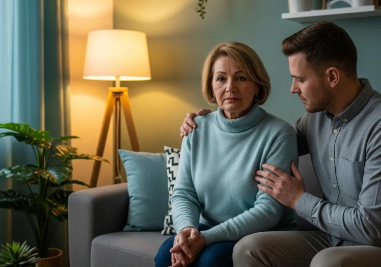
Supporting someone with PTSD takes empathy, steadiness, and good communication. It’s less about fixing and more about providing a reliable, nonjudgmental presence. The approaches below help create an environment where recovery can happen.

How you talk and listen matters. Try these techniques:
These habits build safety and deepen trust, making it easier for them to engage in treatment when they’re ready.
Practical steps at home and in daily life can reduce stress and help a person feel grounded.
Consistency and respectful boundaries often do more to support recovery than temporary fixes.
PTSD is treatable. Several evidence‑based therapies and programs help people process trauma and build coping skills. Knowing the options lets families support treatment choices and encourage timely care.
Two well-supported therapies used in PTSD care are EMDR and DBT, each serving different needs.
Both approaches are used by qualified clinicians and can help improve daily functioning and well-being.
There are times when professional help is clearly needed. Consider reaching out for clinical support if you notice:
Early intervention improves outcomes. Help them find a trauma‑informed therapist, treatment program, or crisis resource and offer practical support, like researching providers or going with them to the first appointment.
Caregivers support recovery best by staying well themselves. Caring for your own mental and physical health reduces the risk of burnout [6] and makes your support more effective long-term.

Practical self‑care steps include:
Protecting your well-being makes you a steadier, more effective supporter.
Caregivers don’t have to go it alone. Useful resources include:
Using these supports builds resilience and can improve outcomes for both you and your loved one.
Supporting someone with PTSD takes patience, empathy, and consistency. By learning to recognize symptoms and communicating with care, you give meaningful support.
Encouraging appropriate treatment and looking after your own needs also helps recovery. If you’re ever unsure, reach out to a PTSD mental health professional. Early help matters.
Create a calm, predictable environment and establish routines that reduce uncertainty. Encourage grounding and relaxation techniques. Try slow breathing, gentle movement, or mindfulness. Offer to join them in low-stress activities they enjoy.
Learning about PTSD, its symptoms, triggers, and treatments, helps you respond with empathy instead of fear or frustration. Education equips you to spot warning signs, support treatment choices, and reduce stigma. The more you know, the more useful and compassionate your support will be.
Common myths include that PTSD only affects military veterans or that it’s a sign of weakness. PTSD can follow many types of trauma and affects people from all backgrounds. Another misconception is that someone must look distressed to be struggling; many people hide their symptoms.
Support for young people should be gentle, developmentally appropriate, and consistent. Create a safe space for them to talk, use simple language to explain emotions, and keep routines steady. Encourage play, creative expression, and connection with trusted adults.
Disclaimer
The information in this article is meant for educational and informational purposes only. It should not replace professional medical or mental-health advice, diagnosis, or treatment. Grand Rising Behavioral Health offers evidence-based outpatient programs (including PHP, IOP, and OP), but individual needs and treatment timelines may vary.
If you or a loved one is dealing with mental health concerns, please reach out to Grand Rising Behavioral Health’s admissions team for a confidential consultation. Our licensed clinicians can evaluate your needs and help you start a safe, personalized care plan without delay.
2. https://www.ptsd.va.gov/understand/what/ptsd_basics.asp
3. https://www.ptsd.va.gov/understand/what/ptsd_basics.asp
4. https://www.ptsd.va.gov/understand/what/ptsd_basics.asp
5. https://www.ptsd.va.gov/professional/treat/txessentials/emdr_pro.asp
We are a safe space – a haven for exceptional individuals to receive discreet, personalized, in-person treatment and care.