
Caffeine is a central nervous system stimulant that can bring on or worsen anxiety in people who are sensitive to it. [1] Knowing how and why it does this helps you make safer choices each day.
This guide explains how caffeine works in the nervous system, the warning signs of caffeine-related anxiety or panic attacks, typical amounts that cause trouble, and treatment and support options available in Massachusetts.
Many readers want usable steps to test whether caffeine is contributing to their symptoms and clear advice on when to get clinical help, this article is designed to provide that.
You’ll find plain-language explanations of the physiology, an easy caffeine-content comparison for common drinks, symptom checklists with immediate self-care actions, and an overview of treatment from self-help to structured programs. Our aim is practical: help you lower risk, manage symptoms, and get professional evaluation when it’s needed.
Caffeine changes brain chemistry by blocking adenosine receptors and increasing the release of stress-related neurotransmitters, which raises arousal and can activate the sympathetic nervous system. [2]
That produces physical changes, faster heart rate, higher blood pressure, and increased alertness, which can feel like or trigger anxiety and panic in people who are sensitive. Effects depend on dose and the individual: small amounts may be fine for some and problematic for others. [3]
Recent research points to stimulant-driven increases in norepinephrine as one pathway that can provoke anxiety symptoms. [4] Understanding this mechanism helps explain why timing and amount of caffeine matter when you’re tracing symptom triggers.
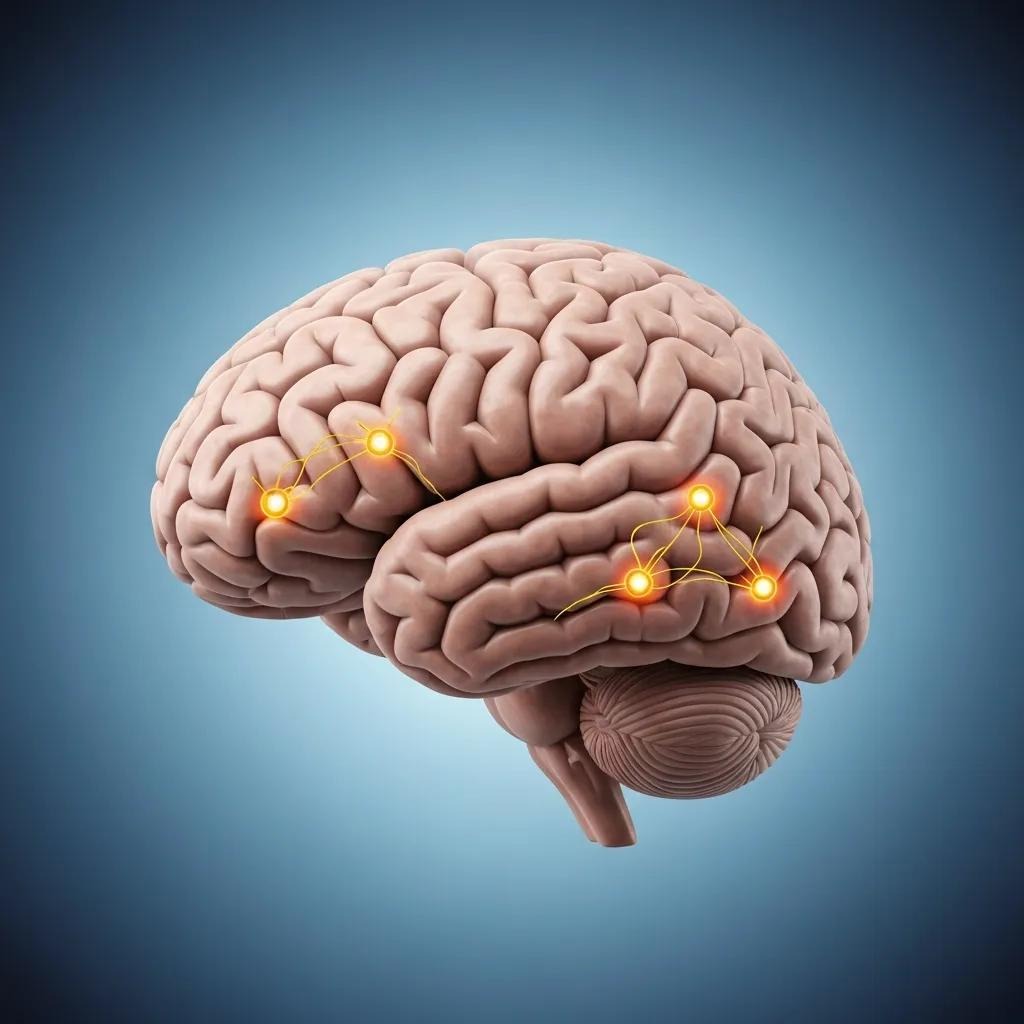
Caffeine is a natural stimulant found in coffee, tea, chocolate, and many energy drinks. [5] It works mainly by blocking adenosine receptors in the brain, which reduces sleepiness and indirectly raises levels of neurotransmitters such as norepinephrine and dopamine.
That chemical shift increases sympathetic nervous system activity, often experienced as palpitations, tremor, or jitteriness, sensations that can be misread as anxiety or the start of a panic attack by people with high anxiety sensitivity. Noticing these physical effects helps you tell routine stimulant responses apart from clinically significant anxiety that may need treatment.
Caffeine can trigger anxiety or panic when its stimulatory effects exceed a person’s tolerance or when large amounts are consumed quickly, producing a rapid spike in blood levels. People with a history of panic disorder or high baseline anxiety are more likely to interpret normal stimulant sensations catastrophically, which can set off a panic cascade. [6]
Drinking several strong coffees or energy drinks in a short time raises peak caffeine and increases the chance of acute panic-like episodes. Paying attention to timing, amount, and context of use helps distinguish caffeine-triggered events from other causes.
Caffeine-induced anxiety typically combines physical, emotional, and cognitive signs that overlap with primary anxiety disorders but often follow shortly after ingestion. Common physical symptoms include palpitations, sweating, tremor, and gastrointestinal upset. Emotional and cognitive signs include restlessness, intense worry, derealization, and racing thoughts.
Because these symptoms can mimic cardiac or other medical issues, tracking timing, dose, and how symptoms resolve after stopping caffeine helps with safe differentiation. The table below pairs symptom categories with common signs and immediate, low-risk self-care steps you can try first.
The table below helps you triage an episode and decide whether basic self-care is appropriate or if you should seek urgent medical evaluation.
| Symptom Category | Typical Signs | Immediate Self-Care Step |
|---|---|---|
| Physical | Palpitations, sweating, tremor, chest tightness | Stop caffeine, sit or lie down, and practice slow diaphragmatic breathing |
| Emotional | Restlessness, intense worry, feelings of panic | Use grounding techniques, reduce noise and light, sip water |
| Cognitive | Racing thoughts, derealization, trouble focusing | Note symptoms in a diary, avoid additional stimulants, and take a short walk if safe |
These simple steps, pausing caffeine and using breathing or grounding, often reduce acute distress. If you experience chest pain, fainting, or other alarming physical signs, seek urgent medical care rather than self-managing.
Identifying caffeine-related anxiety depends on tracking when symptoms happen, how much caffeine you consumed, and whether symptoms ease after reducing intake. Keep a brief symptom–caféine diary noting what you drank, an estimated caffeine amount, time consumed, and when symptoms began and ended.
Watch for red flags such as repeated panic attacks within an hour of ingestion, worsening baseline anxiety despite cutting back, or physical warning signs like chest pain; these need clinical review. A one- to two-week trial of reduced or eliminated caffeine often clarifies whether it’s the main driver. [7]
Research shows that low doses of caffeine can improve alertness and mood, but high doses may produce unpleasant effects, sometimes called aversive intoxication, which helps explain why consumption often becomes self-limiting.
Caffeine-induced anxiety fits the substance/medication-induced anxiety category when symptoms appear soon after caffeine use and resolve with cessation.
By contrast, primary anxiety disorders persist independently of an identifiable external trigger. DSM-5 distinctions focus on onset, timing, and cause: if anxiety starts after ingestion and improves when the stimulant is removed, a substance-related diagnosis is more likely.
That said, caffeine can unmask or worsen an underlying generalized anxiety disorder or panic disorder, so careful clinical assessment is important. If symptoms continue despite lifestyle changes, a professional evaluation can determine whether a primary anxiety disorder needs targeted treatment.
The general adult guideline is up to 400 mg of caffeine per day, but people prone to anxiety often need much lower limits or complete avoidance. The FDA’s 400 mg per day guideline is a population-level reference; [8] clinically, many people with anxiety report symptoms at doses below 200–300 mg. Sensitivity varies by genetics, habituation, and medication interactions.
For adults with diagnosed or suspected anxiety disorders, clinicians frequently recommend trying limits well below the 400 mg guideline, commonly under 200 mg, or full abstinence when symptoms are severe. For example, a single strong 12 oz brewed coffee may sit near a sensitive upper bound for some people; two coffees plus an energy drink will often exceed what’s tolerable.
Reduce gradually to avoid withdrawal: swap some drinks for decaf or lower-caffeine teas, and move caffeine consumption to earlier in the day. Talk with a clinician for personalized guidance, especially if you take medications or have medical conditions that change caffeine metabolism.
Higher susceptibility is seen in people with a history of panic disorder or generalized anxiety, those on interacting medications, individuals with genetic sensitivity to stimulants, and younger adults with high habitual intake.
Slower caffeine metabolism and medication interactions increase effective exposure and lower the dose that provokes symptoms. A personal or family history of anxiety raises the chance that stimulant sensations will trigger panic. If you notice repeated caffeine-linked symptoms, a professional assessment can clarify your susceptibility and help create a tailored plan.
Treatment spans self-management to structured outpatient programs and should match symptom severity, how much daily life is affected, and how you respond to lifestyle changes. Early steps include gradual caffeine reduction, better sleep and exercise habits, and targeted coping skills to interrupt panic escalation.
If symptoms persist or are severe, evidence-based psychotherapy and medication management are standard. Higher-intensity outpatient options, PHP, IOP, and OP, provide coordinated support for people who need more frequent care. Below are common, evidence-based options for adults seeking help. [9]
These levels help match care intensity to clinical need; the next section describes how local providers typically deliver these services.
At Grand Rising Behavioral Health, we treat anxiety with individualized plans that combine therapy, medication management when appropriate, and higher-intensity outpatient options as needed, all delivered in a calming, hospitality-minded setting.
Our services include individual therapy and program levels (Partial Hospitalization Program, Intensive Outpatient Program, and Outpatient Program) using evidence-based methods such as CBT, DBT, EMDR, and trauma-informed care. We operate as an out-of-network provider and help clients navigate PPO insurance and private-pay arrangements.
Care is available both in person and virtually to fit different needs. If caffeine-related anxiety continues despite lifestyle changes, our admissions team can arrange a clinical assessment and build a personalized treatment plan.
Contact a professional when episodes are frequent, severe, or interfere with work, relationships, or daily functioning; when cutting caffeine and self-care don’t help; or when you experience worrying physical signs such as chest pain or fainting.
Recurrent panic attacks, persistent intrusive worry, or suicidal thoughts require prompt evaluation and may call for higher-intensity outpatient care.
If you’re in Massachusetts and need an assessment or a tailored treatment plan, arranging an admission evaluation with a qualified provider is a good next step. If you have medical red flags, seek urgent medical attention right away, either before or alongside mental health care.
Yes. When regular caffeine users cut back or stop suddenly, withdrawal can cause anxiety for some people, along with irritability and fatigue. These symptoms often begin 12–24 hours after the last dose and can last several days. A gradual taper is usually recommended to reduce withdrawal and make the transition easier.
Certain groups may be advised to avoid caffeine: people who are pregnant, those with specific heart conditions, and individuals with significant anxiety disorders. People taking medications that interact with caffeine, for example, some antidepressants or antipsychotics, should check with their prescriber. Personalized medical advice is key to managing caffeine safely.
Taper slowly. Start by replacing one or two caffeinated drinks with decaf or herbal tea, then reduce further over days to weeks. Stay hydrated, eat balanced meals, keep moving, and prioritize sleep. These steps help ease withdrawal. If you have concerns, talk with a clinician for a tailored taper plan.
Gentle alternatives include herbal teas like chamomile or peppermint, rooibos, or decaffeinated coffee. Some people try adaptogens such as ashwagandha or rhodiola for stress support, but you should check with a healthcare provider before starting supplements. Experiment to find substitutes that suit your body and routine.
Disclaimer
The information in this article is meant for educational and informational purposes only. It should not replace professional medical or mental-health advice, diagnosis, or treatment. Grand Rising Behavioral Health offers evidence-based outpatient programs (including PHP, IOP, and OP), but individual needs and treatment timelines may vary.
If you or a loved one is dealing with mental health concerns, please reach out to Grand Rising Behavioral Health’s admissions team for a confidential consultation. Our licensed clinicians can evaluate your needs and help you start a safe, personalized care plan without delay.
1. https://www.verywellhealth.com/can-caffeine-cause-anxiety-11745734
2. https://time.com/7331760/why-does-coffee-give-me-anxiety/
4. https://time.com/7331760/why-does-coffee-give-me-anxiety/
5.https://www.fda.gov/consumers/consumer-updates/spilling-beans-how-much-caffeine-too-muc
6.https://www.goodrx.com/conditions/generalized-anxiety-disorder/does-coffee-caffeine-cause-anxiety
7. https://www.ncbi.nlm.nih.gov/books/NBK430790/
8.https://www.fda.gov/consumers/consumer-updates/spilling-beans-how-much-caffeine-too-much
We are a safe space – a haven for exceptional individuals to receive discreet, personalized, in-person treatment and care.




Accredited by The Joint Commission