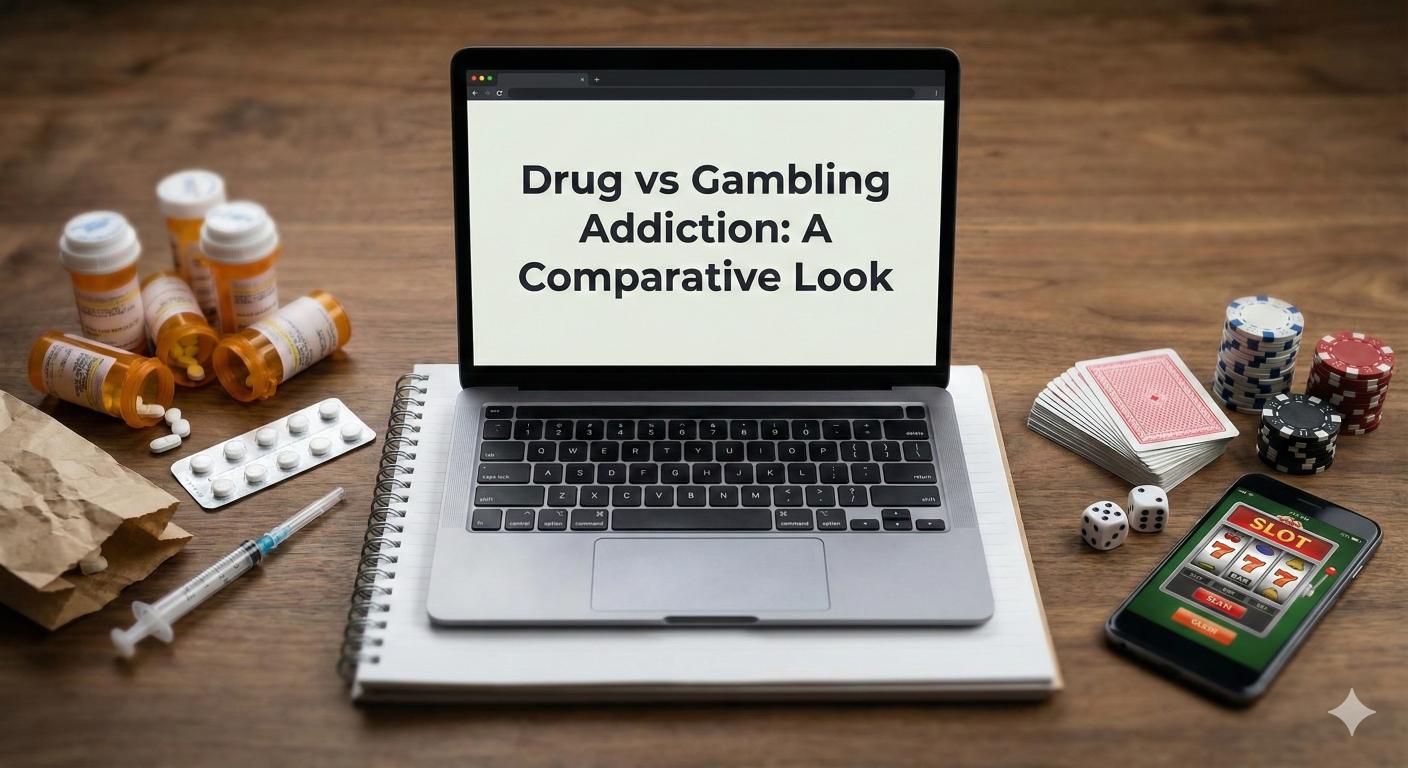
Understanding the difference between drug and gambling addiction is essential for recognizing how each condition develops and affects individuals.
While both share compulsive behaviors and serious consequences, they differ in causes, symptoms, and treatment approaches.
In this article, we’ll break down the key differences, explore overlapping risk factors, and highlight effective treatment options for both.
Addiction is a multifaceted disorder characterized by compulsive engagement in rewarding stimuli despite adverse consequences.
Whether it’s the lure of substances or the thrill of gambling, addiction takes various forms, each with its unique set of challenges. Drug addiction, a substance use disorder, involves physical dependency and withdrawal symptoms, while gambling addiction, a behavioral addiction, is marked by an uncontrollable urge to gamble despite negative consequences. These issues can lead to various addictive behaviors that impact individuals’ lives.
Understanding these definitions is crucial. While drug addiction often leads to physical dependencies and withdrawal symptoms, gambling addiction primarily affects behavior and is characterized by psychological compulsion.
Drug addiction1 is a disease defined by an inability to stop using drugs, alcohol, or cigarettes, despite the harmful consequences. It is characterized by substance use disorder, physical dependency, compulsive behavior, and withdrawal symptoms, which pose significant health risks.
Society often stigmatizes drug addiction, associating it with a lack of morality, which can further complicate recovery.
Gambling addiction is marked by an uncontrollable urge to gamble despite negative consequences2. Unlike drug addiction, it doesn’t involve physical substances but can be equally addictive, especially when combined with substance use.
Individuals with a gambling disorder often struggle with denial and may experience withdrawal symptoms such as anxiety, headaches, heart palpitations, and insomnia.
Gambling addiction can lead to serious personal and social consequences, comparable to those seen with substance addictions. This includes financial ruin, relationship issues, and co-occurring addictions like alcohol addiction.
The cognitive distortions and belief in recovering losses drive problem gamblers to continue gambling, often leading to devastating outcomes.
Despite their differences, drug and gambling addictions share several similarities, including common factors.
Both affect the brain’s reward system, leading to compulsive behaviors and impaired decision-making. They also share common risk factors.
Furthermore, these addictions often co-occur with mental health disorders, necessitating integrated treatment approaches.
Both gambling and substance abuse trigger the brain’s reward system, leading to similar patterns of craving and dependence3. The release of dopamine plays a crucial role in the pleasurable effects associated with both gambling and drug use.
Over time, repeated exposure to addiction alters brain chemistry4, taking greater stimulation for the same pleasurable effects, resulting in tolerance and potential withdrawal symptoms, leading to a feeling of discomfort.
Genetic factors significantly influence the likelihood of developing both gambling and substance use disorders.
These factors contribute to impulsivity and reward-seeking behaviors. High-stress environments and low socioeconomic status are significant predictors of problem gambling and overlap with drug addiction patterns.
Mental health disorders are also shared risk factors for both gambling and drug addiction, highlighting the need for comprehensive treatment approaches that address the statistical manual of mental disorders.
Many individuals with gambling addiction also experience mental health disorders5. Gamblers often face higher rates of anxiety and depression compared to non-gamblers.
The interplay between gambling addiction and mental health issues often complicates recovery, making integrated treatment essential for holistic healing.
While drug and gambling addictions share common factors, their unique aspects differentiate them. Societal perceptions, legal implications, and treatment approaches create distinct characteristics for each addiction.
Public attitudes often label individuals with gambling problems as greedy, leading to significant stigma.
Women with gambling disorders are particularly susceptible to self-stigma and negative societal expectations6, which can hinder their willingness to seek help.
Therapeutic methods for gambling addiction often include cognitive-behavioral techniques7 aimed at addressing harmful thought patterns.
Comprehensive treatment for gambling disorders requires addressing both psychological aspects and social support systems.
Professional treatment plays a crucial role in overcoming gambling addiction, offering strategies to acknowledge and manage compulsive behaviors.
Both drug addiction and gambling addiction can have severe impacts on an individual’s life, despite differing in nature.
Gambling addiction can lead to severe financial repercussions, comparable to those of drug addiction.
Compulsive gambling can result in significant loss of money, amounts of money, accumulation of debt, and potential illegal activities such as theft or fraud.
Trust issues frequently arise in relationships affected by gambling addiction due to hidden debts and deceptive behaviors.
Communication breakdowns might be common, making it difficult for partners and their loved ones to feel emotionally connected.
Gambling addiction often leads to strained family dynamics and friendships, resulting in isolation and conflict.
Gambling addiction is associated with a higher risk of suicide compared to drug addiction. Long-term gambling addiction can lead to anxiety and depression, contributing to overall health deterioration.
Engaging in mindfulness practices can enhance recovery outcomes for individuals facing gambling addiction.
Preventing and recovering from addiction requires a multifaceted approach. Effective strategies include early intervention, tailored treatment plans, and ongoing support.
Seeking treatment at the earliest sign of a gambling problem is crucial for effective prevention. Community awareness campaigns can enhance the effectiveness of prevention techniques for gambling addiction. Individuals at risk should avoid gambling activities, people who gamble, and gambling venues.
Building healthy relationships and avoiding influences that encourage gambling can also help prevent addiction.
Cognitive behavioral therapy, self-help groups, and financial counseling are common recovery programs for gambling addiction.
A comprehensive approach for treating addictions includes education, group therapy, and the 12-step program.
Techniques for managing stress, such as exercise, yoga, and meditation, can aid in recovery from gambling addiction. These activities help individuals cope better during their healing process.
Concurrent treatment is important for co-occurring addictions, addressing both gambling and substance use disorders simultaneously.
Relapse prevention involves identifying triggers and developing strategies to manage them. Continuous support and control are essential to prevent relapse and maintain long-term recovery, and it may be necessary to cut back or stop certain behaviors to achieve this.
Analyzing what led to a relapse and developing strategies to prevent it in the future can significantly enhance recovery outcomes.
Professional treatment plays a crucial role in effective recovery from addiction. It provides structured support, evidence-based strategies, and personalized care plans tailored to individual needs.
Many individuals have found help through professional treatment, which is crucial for effective recovery from addiction.
Both drug and gambling addictions can feel overwhelming, with each affecting the mind, body, relationships, and overall quality of life in different but equally devastating ways.
Our mental health treatment isn’t just about stopping harmful behaviors; it’s about addressing the whole person.
We combine leading evidence-based therapies such as CBT, DBT, EMDR, and trauma-informed care with medication management and holistic wellness practices like mindfulness and skill-building workshops.
This balanced approach helps clients not only overcome cravings and compulsions but also rebuild confidence, resilience, and stability.
Our programs are designed with flexibility so you can get the level of support that matches your needs.
From the intensive structure of our Partial Hospitalization Program to the balance of an Intensive Outpatient Program or the long-term stability of our Outpatient Program, we ensure that you receive the right care at the right time. Contact us today to begin healing.
The main differences between drug addiction and gambling addiction lie in their nature; drug addiction involves physical dependency and withdrawal symptoms, while gambling addiction is driven by behavioral compulsion and psychological distress.
This distinction is crucial for understanding the different approaches needed for treatment and recovery.
Both drug and gambling addictions activate the brain's reward system, triggering cravings and dependence through increased dopamine release.
This resemblance underscores the profound impact both types of addiction have on neurological pathways.
Common risk factors for developing addictions include genetic predisposition, environmental influences, and the presence of pre-existing mental health disorders.
Recognizing these factors can contribute to better prevention and intervention strategies.
Gambling addiction has dire financial impacts, such as substantial loss of savings and increasing debt, which may even lead individuals to engage in illegal activities.
It is crucial to address this addiction to prevent further financial deterioration.
Professional treatment options for addiction recovery encompass outpatient programs, cognitive behavioral therapy, group therapy, medication management, and holistic healing practices, all available in supportive environments.
These comprehensive approaches can significantly enhance the chances of successful recovery.
Understanding the complexities of drug and gambling addiction is essential for effective treatment and recovery.
By recognizing their shared and unique characteristics, we can tailor treatment plans that address the specific needs of individuals.
Seeking professional help is crucial, and centers like Grand Rising Behavioral Health offer comprehensive, personalized care that empowers individuals to overcome addiction and lead fulfilling lives.
We are a safe space – a haven for exceptional individuals to receive discreet, personalized, in-person treatment and care.