
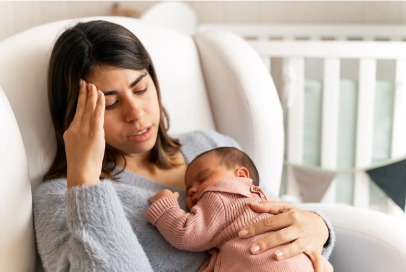
Postpartum depression (PPD) is a common mood disorder that can begin after childbirth and significantly affect daily life, bonding with your baby, and overall family well-being. [1] Spotting symptoms early matters; timely care can reduce severity, speed recovery, and protect both parent and infant health.
This article outlines the typical signs of PPD, explains how to tell it apart from the temporary “baby blues” or the rare, but serious, postpartum psychosis, and describes when symptoms need urgent attention.
You’ll also find an overview of likely causes and risk factors, plus practical guidance on treatment options and how to access care in Massachusetts. Throughout, the focus is on clear, action-oriented information informed by current research so new parents and their support network can recognize concerning patterns and take the next step toward help.
Postpartum depression can affect emotions, the body, and behavior. Its symptoms are more intense and longer-lasting than the short-lived baby blues. [2]
Hormonal changes, sleep loss, and stress after childbirth can disrupt mood regulation and lead to persistent low mood and difficulty functioning. [3] Grouping symptoms into emotional, physical, and behavioral categories makes it easier for caregivers and clinicians to spot patterns that should prompt evaluation.
Noting each symptom type and how long it lasts helps to distinguish normal adjustment from a disorder:
This table clarifies how emotional, physical, and behavioral signs usually appear and why persistent or severe symptoms call for assessment. Emotional symptoms are often noticed first in the early weeks after birth, so we describe those next.
Emotional signs of postpartum depression often include ongoing sadness, frequent tearfulness, and a persistent heaviness or anxiety that doesn’t ease with time. These feelings go beyond typical new-parent worry and often include intense guilt or shame about parenting that erodes confidence and increases isolation. [4]
Anxiety may show up as constant fear about the baby’s safety or disproportionate distress over routine care. These emotions often disrupt sleep, appetite, and concentration. If these feelings continue past the usual two-week adjustment window, it’s important to talk with a clinician for assessment and support.
Physical indicators include overwhelming tiredness, persistent sleep or appetite changes, and physical symptoms that don’t get better with rest or self-care. Behaviorally, a parent may pull back from family and friends, lose interest in activities they once enjoyed, or struggle to feel close to their baby even when they want to.
Intrusive or disturbing thoughts, especially about harming oneself or the baby, are urgent warning signs that require immediate professional help. Recognizing these patterns helps loved ones and clinicians prioritize safety and find the right level of care.

Telling postpartum depression apart from the baby blues or less common conditions like postpartum psychosis comes down to timing, severity, and whether there are dangerous or psychotic symptoms. Baby blues usually begin within a few days after delivery and fade within two weeks, with milder tearfulness and mood swings that don’t disrupt basic functioning.
Postpartum depression is more intense, lasts longer, and interferes with daily tasks or bonding. Postpartum psychosis is rare but involves hallucinations, delusions, or severe disorganization and requires emergency care. [5] Assessing duration and symptom type helps determine whether watchful waiting, outpatient treatment, or immediate intervention is needed.
Knowing the differences between these conditions is essential to getting the right care at the right time.
Baby blues are common and short-term, with mood swings and mild anxiety that typically improve as sleep and routine normalize. Postpartum depression involves persistent sadness, significant anxiety, and impaired functioning that continues beyond two weeks and often benefits from therapy, medication, or structured outpatient programs.
Postpartum psychosis is marked by disordered thinking, hallucinations, or paranoid thoughts and poses an immediate risk to the parent or infant; it requires emergency psychiatric care. Recognizing these differences helps families and clinicians match symptoms to the appropriate level of care.
Clear descriptions of each condition support accurate diagnosis and timely treatment.
Seek immediate professional help if there are thoughts of harming yourself or the baby, any hallucinations or severe confusion, or if a parent cannot meet basic personal or infant care needs.
Other urgent signs include extreme agitation, disorganized behavior, or a sudden, severe change in mood with poor judgment or communication. In those moments, contact emergency services, a crisis hotline, or go to the nearest emergency department; safety is the priority. Early recognition of these red flags can be lifesaving and connect families quickly with emergency psychiatric resources.
After any immediate safety concern, reaching out promptly to specialized outpatient programs can provide faster access to ongoing treatment and improve recovery. At Grand Rising Behavioral Health, we emphasize rapid assessment and appropriate admission when needed.
Families should not hesitate to request an evaluation if they see urgent warning signs. Contacting a trusted provider or our admissions team quickly increases the chance of timely, effective support.
Postpartum depression typically results from a mix of biological, psychological, and social factors that affect mood regulation after childbirth. Biological contributors include rapid drops in reproductive hormones and other neurochemical shifts. Severe sleep loss and circadian disruption further weaken emotional resilience.
Social stressors, such as limited support, relationship strain, or financial pressure, reduce coping resources and increase vulnerability. Understanding these contributors helps clinicians design treatments that address both medical and psychosocial drivers of PPD.
Sleep disruption is a major contributor to postpartum mood problems. [7]
Risk factors often fall into three areas: personal and family history, pregnancy and birth experiences, and current social context.
Sharp declines in estrogen and progesterone after delivery can destabilize neurotransmitter systems that regulate mood. Sleep deprivation worsens this by impairing emotional control, cognition, and stress tolerance, making everyday caregiving feel overwhelming. Together, hormonal shifts and chronic sleep loss lower resilience and increase the likelihood of ongoing depressive symptoms.
Addressing sleep hygiene, arranging supports for nighttime care, and checking for hormonal or thyroid issues are all important parts of a comprehensive treatment plan.
Other factors that increase risk include a personal or family history of depression, prior pregnancy loss or traumatic childbirth, and ongoing psychosocial stressors like relationship conflict or financial strain.
Substance use, barriers to healthcare access, and limited community supports can also make treatment harder. Identifying these risks during pregnancy or early postpartum visits allows for closer monitoring and earlier intervention to prevent or reduce PPD.
In Massachusetts, new parents can seek help through primary care and obstetric providers, community mental health centers, telehealth, and specialized outpatient programs offering therapy, medication management, and structured day programs.
Early contact with a clinician helps determine symptom severity and match care to need, from outpatient therapy to intensive outpatient (IOP) or partial hospitalization (PHP) when required. Common evidence-based treatments include Cognitive Behavioral Therapy (CBT), Dialectical Behavior Therapy (DBT), and trauma-informed approaches that address mood regulation and parenting stress.
Grand Rising Behavioral Health provides discreet, personalized in-person and virtual mental health care for adults (18+) across Massachusetts, including Depression Treatment Services and outpatient programs suited to postpartum needs.
Services applicable to PPD include individual and group therapy, medication management, and higher-intensity options like PHP, IOP, and standard outpatient care.
Grand Rising centers on evidence-based therapies (CBT, DBT, EMDR), offers virtual visits, and accepts out-of-network PPO/private pay for residents of Norwood and nearby towns. For admissions or treatment questions, call (781) 604-1956 or visit our Norwood office at 1 Edgewater Dr., Suite 202, Norwood, MA 02062.
Grand Rising combines evidence-based therapy (CBT, DBT, EMDR), medication management for depression treatment in Massachusetts. [9] We support smooth transitions across levels of care, OP, IOP, and PHP, and offer both group and individual sessions in a hospitality-forward setting designed to reduce stigma and increase comfort.
Virtual appointments provide flexibility for new parents, while discreet admissions and individualized treatment planning prioritize safety, strengthening the parent–infant bond, and restoring day-to-day functioning. Care is scaled up or down based on symptom severity and response.
This comparison helps families and clinicians match symptoms to likely interventions and identify when higher-intensity programs are appropriate.
Left untreated, postpartum depression can have lasting effects for both the parent and child. For parents, prolonged depression can lead to chronic mental health challenges, strained relationships, and difficulty with consistent parenting.
Children may face delays in development, behavioral concerns, and emotional difficulties tied to disrupted bonding and caregiving. Early intervention reduces those risks, timely treatment supports healthier family functioning, and better outcomes for both parent and child.
Partners are crucial in supporting recovery. Helpful actions include listening without judgment, validating feelings, and encouraging open conversation. Practical support, taking on household tasks, helping with baby care, and arranging for rest, can reduce stress.
Partners can also encourage their loved ones to seek professional help, attend appointments when appropriate, and be patient with the pace of recovery. Steady, compassionate support makes a real difference.
Yes. Small, sustainable lifestyle steps can complement clinical care: short, regular physical activity (even brief walks), balanced meals, and prioritizing sleep, where possible, all support mood.
Mindfulness, gentle yoga, or simple breathing exercises can reduce anxiety and improve emotional regulation. Strong social support from friends and family also helps recovery. These changes are most effective alongside professional treatment when symptoms are moderate to severe.
Disclaimer
The information in this article is meant for educational and informational purposes only. It should not replace professional medical or mental-health advice, diagnosis, or treatment. Grand Rising Behavioral Health offers evidence-based outpatient programs (including PHP, IOP, and OP), but individual needs and treatment timelines may vary.
If you or a loved one is dealing with mental health concerns, please reach out to Grand Rising Behavioral Health’s admissions team for a confidential consultation. Our licensed clinicians can evaluate your needs and help you start a safe, personalized care plan without delay.
1. https://my.clevelandclinic.org/health/diseases/9312-postpartum-depression
2.https://www.mayoclinic.org/diseases-conditions/postpartum-depression/symptoms-causes/syc-20376617
3. https://pmc.ncbi.nlm.nih.gov/articles/PMC5659274/
4. https://www.ncbi.nlm.nih.gov/books/NBK519070/
5. https://www.nhs.uk/mental-health/conditions/post-partum-psychosis/
7. https://journals.sagepub.com/doi/10.1177/00912174231202932
8. https://onlinelibrary.wiley.com/doi/10.1111/jmwh.13067
9. https://www.grandrisingbehavioralhealth.com/
We are a safe space – a haven for exceptional individuals to receive discreet, personalized, in-person treatment and care.





Accredited by The Joint Commission