

Anxiety disorders are a set of psychiatric conditions marked by persistent fear, worry, or avoidance that can interfere with everyday life. [1] Current estimates show that more than 40 million U.S. adults, roughly 19% of the adult population, and about 301 million people worldwide meet criteria for an anxiety disorder in recent large-scale analyses. [2]
Below, we outline what these headline figures mean, who is most affected, why many adults don’t get care, and which evidence-based treatment pathways are available for adults (18+) in Massachusetts.
Grand Rising Behavioral Health is a local resource in Norwood, MA, offering discreet, personalized in-person and virtual care for adults; this article explains how those services fit within treatment pathways.
Read on for succinct prevalence data, demographic risk patterns, the main barriers to treatment, and practical guidance on PHP, IOP, OP, and therapies such as DBT, EMDR, and medication management. Knowing prevalence and access can help individuals and families take the next step toward appropriate care.
Anxiety disorders rank among the most frequently diagnosed mental health conditions and are defined by ongoing, excessive worry or fear that disrupts functioning. Recent national estimates place the number of affected U.S. adults at more than 40 million (about 19% of adults), underscoring substantial demand for clinical services.
Global studies estimate that roughly 301 million people were living with an anxiety disorder in 2021, though rates vary by country because of differences in measurement and access. These prevalence estimates highlight the public health burden and the need for accessible outpatient and higher-intensity services for adults across regions.
Because prevalence varies by source and region, the table below summarizes key statistics to help compare U.S., global, and local implications.
Local adult prevalence generally aligns with national rates (18–20%)
Those numbers show the scale of need and prompt a closer look at which groups carry the highest burden, information that helps target screening and program design.
Large epidemiological surveys and recent summaries indicate that roughly one in five U.S. adults meets criteria for an anxiety disorder in a given year. [3] Rates rose in particular groups following the COVID-19 pandemic and amid growing economic stress, reflecting both situational triggers and ongoing vulnerabilities.
Clinicians commonly see conditions such as generalized anxiety disorder, panic disorder, social anxiety, and specific phobias, which often require outpatient or higher-intensity programs. Understanding national prevalence helps providers and planners anticipate demand and shape care pathways.
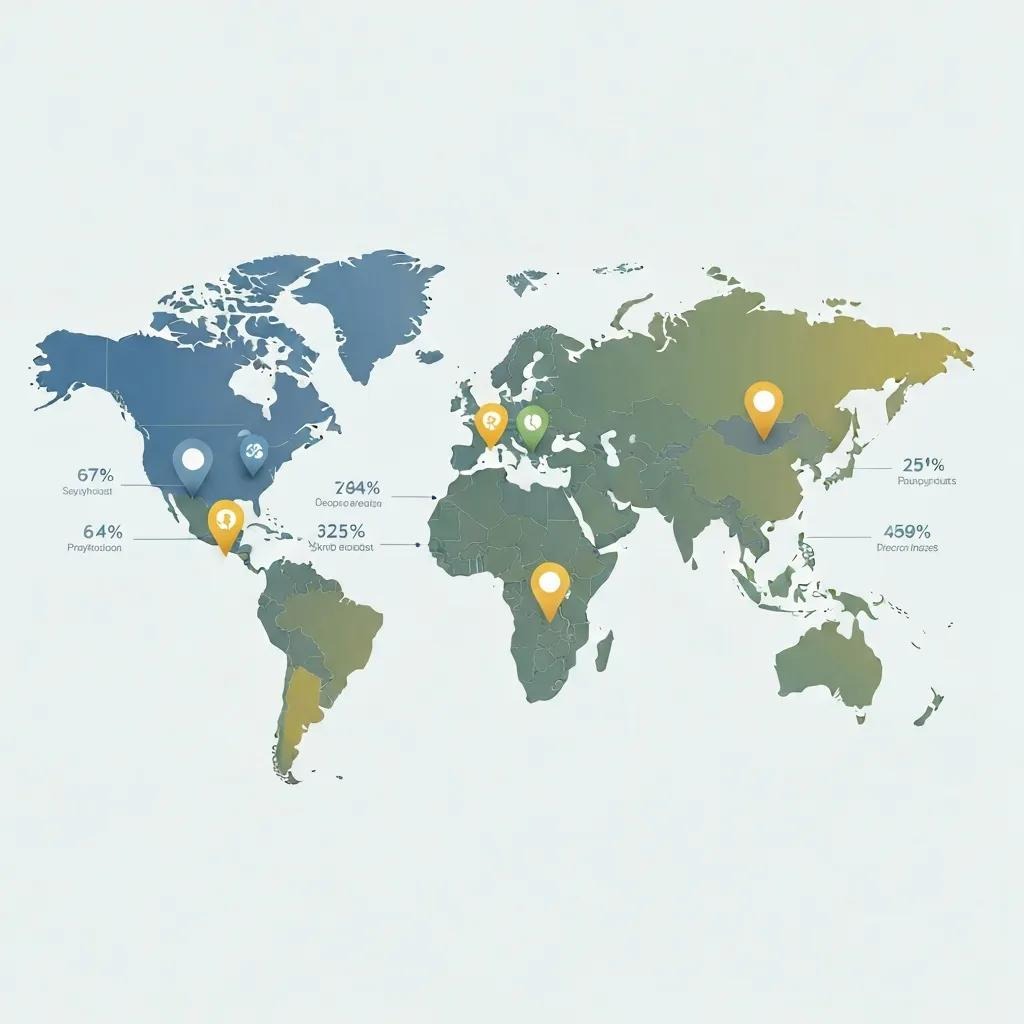
Global estimates come from burden-of-disease studies that combine national surveys and modeling; [4] the most recent totals point to roughly 301 million people living with an anxiety disorder in 2021. Recorded prevalence varies because detection, cultural expression of distress, and access to mental health care differ across countries, so official figures may undercount need in areas with limited diagnostic resources.
This global view highlights the universality of anxiety conditions and the importance of adaptable, evidence-based treatments that local systems can scale. From there, it’s useful to examine who in the population is most affected.
Clear demographic patterns and known risk factors help guide screening and treatment priorities. Women typically show higher rates than men; [5] young adults and adolescents have elevated incidence; and people with trauma histories face much greater risk.
Genetic predisposition, early-life adversity, chronic stress, and socioeconomic pressures all combine to increase vulnerability. Recognizing these patterns helps clinicians identify adults who may benefit from earlier intervention and tailored care.
These patterns clarify which groups screening should prioritize and how comorbidity with conditions like PTSD or depression increases clinical complexity.
Women consistently show higher rates than men; studies suggest roughly double the prevalence, likely reflecting biological, social, and help-seeking differences. Young adults, especially those in late adolescence through their twenties, show peak onset for several anxiety disorders, with many conditions first appearing in these years. [7]
These trends mean adult services in Massachusetts should be ready to engage younger adults and women with outreach and interventions tailored to their needs.
Causes are multifaceted. Genetic vulnerability and neurobiological sensitivity interact with temperament and learned avoidance, while environmental triggers such as trauma, prolonged stress, and socioeconomic instability elevate risk.
Recent contributors include pandemic-related stress and financial strain, which have increased both incidence and severity for many adults. Understanding these biological, psychological, and social drivers helps clinicians match interventions, for example, using trauma-focused therapies when traumatic exposure underlies symptoms, and informs program design to reduce population-level risk.
A significant treatment gap persists: many people who meet diagnostic criteria do not receive appropriate care each year. Common contributors are stigma, difficulty recognizing symptoms, financial and insurance barriers, and limited availability of timely specialty services.
These obstacles lead many adults to delay or forgo evidence-based treatment, increasing chronicity, comorbidity, and functional impairment. Identifying the main barriers points to concrete changes in access and program design that can help close the gap.
These barriers point toward local solutions; below, we consider challenges specific to Massachusetts and how services can respond.
National and international analyses suggest only about one-third of people with anxiety disorders receive minimally adequate treatment annually, with estimates commonly in the 30–40% range for consistent care. [8]
Untreated anxiety increases risks for reduced work and social functioning, co-occurring depression and substance use disorders, and higher overall healthcare use. These public health consequences emphasize the need for accessible tiers of care, from outpatient therapy to intensive programs, to reduce long-term burden and improve outcomes.
Adults in Massachusetts face familiar obstacles: limits in insurance coverage, out-of-network costs, and long waits for specialty programs can all deter care. Stigma and misrecognition of symptoms reduce help-seeking, while practical constraints such as work schedules and childcare make attendance difficult.
Telehealth and flexible program formats remove some barriers, but out-of-network and private-pay models still create financial strain for some. These challenges point to practical responses, offering virtual options, varying program intensities, and transparent insurance guidance that can help bridge the local treatment gap.
Grand Rising Behavioral Health anxiety treatment in Massachusetts works to reduce those barriers by providing PHP, IOP, and OP levels of care with discreet, personalized in-person and virtual options in Norwood, MA, all delivered in a hospitality-first, calming setting designed to improve engagement and comfort for adults seeking help.

Evidence-based care for anxiety spans psychotherapy, trauma-focused treatments, and medication management, delivered across program intensities from outpatient to PHP. [9] Most programs combine individual therapy, group skills training, psychiatric evaluation, and medication oversight when appropriate.
Therapies such as Dialectical Behavior Therapy (DBT) support emotion regulation and distress tolerance, while Eye Movement Desensitization and Reprocessing (EMDR) addresses trauma-related anxiety.
Medication management can reduce symptoms and improve functioning when clinically indicated. The table below offers a concise program comparison to guide decisions about the right level of care for adults.
Mild–moderate symptoms managed with therapy and/or medication
Partial Hospitalization Programs provide full days of structured therapy, medical oversight, and multidisciplinary support without overnight stays, a fit for adults with significant functional impairment who don’t require inpatient admission.
Intensive Outpatient Programs deliver several hours of treatment over multiple days each week and suit adults who need steady support while maintaining home responsibilities.
Traditional outpatient care is appropriate for people with milder or stabilized symptoms. The choice of program depends on severity, co-occurring conditions, and life context. Effective care often involves moving patients between levels as needs change.
DBT builds skills for emotion regulation, distress tolerance, and interpersonal effectiveness, and is helpful when anxiety co-occurs with mood instability or self-regulation challenges. EMDR is a trauma-focused approach effective for processing memory-driven anxiety, particularly in PTSD-related cases.
Medication management, overseen by a psychiatrist, can include antidepressants or short-term anxiolytics and supports symptom relief and functional recovery when needed. Combining targeted therapy with appropriate medications often supports improved functional outcomes for adults with moderate to severe anxiety.
Grand Rising Behavioral Health provides these program levels and therapeutic approaches within a hospitality-first, calming environment. We accept out-of-network arrangements and specialize in PPO insurance and private-pay options; prospective clients can reach out to discuss admission pathways and program fit.
These practical steps connect national prevalence and risk insights to actionable local care pathways for adults in Massachusetts.
Left untreated, anxiety disorders can have lasting consequences: ongoing stress, higher risk of depression and substance use, reduced quality of life, and impaired work or social functioning.
Untreated anxiety also drives greater use of medical services and can complicate recovery from other health conditions. Early assessment and timely treatment reduce these risks and improve long-term outcomes.
Family and friends can make a meaningful difference by offering steady, nonjudgmental support. Encourage professional evaluation, listen and validate feelings, help identify triggers and practical coping strategies, and assist with logistics like scheduling appointments or transportation.
Learning about anxiety also equips loved ones to provide informed encouragement without minimizing the person’s experience.
Simple lifestyle steps often complement therapy and medication: regular physical activity, consistent sleep, a balanced diet, and limiting caffeine and alcohol can all reduce anxiety.
Mindfulness practices, breathing exercises, meditation, and gentle movement like yoga help manage stress in the moment. Establishing daily routines and prioritizing small self-care habits supports steady progress alongside professional care.
Several evidence-based therapies reliably help people with anxiety. Cognitive Behavioral Therapy (CBT) is widely effective for changing unhelpful thought and behavior patterns. Dialectical Behavior Therapy (DBT) supports emotion regulation and stress tolerance when anxiety overlaps with mood instability.
Eye Movement Desensitization and Reprocessing (EMDR) is a leading option for trauma-related anxiety. The best approach depends on individual needs, symptom profile, and preferences. A provider can recommend the most appropriate option.
Disclaimer
The information in this article is meant for educational and informational purposes only. It should not replace professional medical or mental-health advice, diagnosis, or treatment. Grand Rising Behavioral Health offers evidence-based outpatient programs (including PHP, IOP, and OP), but individual needs and treatment timelines may vary.
If you or a loved one is dealing with mental health concerns, please reach out to Grand Rising Behavioral Health’s admissions team for a confidential consultation. Our licensed clinicians can evaluate your needs and help you start a safe, personalized care plan without delay.
1. https://www.psychiatry.org/patients-families/anxiety-disorders/what-are-anxiety-disorders
2. https://www.nimh.nih.gov/health/statistics/any-anxiety-disorder
3. https://www.nami.org/about-mental-illness/mental-health-by-the-numbers/
4. https://www.healthdata.org/research-analysis/gbd
5. https://adaa.org/understanding-anxiety/generalized-anxiety-disorder-gad
6. https://www.nimh.nih.gov/health/statistics/mental-illness
7. https://www.who.int/news-room/fact-sheets/detail/adolescent-mental-health
8. https://adaa.org/understanding-anxiety/facts-statistics
9. https://www.who.int/news-room/fact-sheets/detail/anxiety-disorders
We are a safe space – a haven for exceptional individuals to receive discreet, personalized, in-person treatment and care.




Accredited by The Joint Commission