

People often ask, "Can CBD help with depression?" The short answer is that research is promising but not conclusive. Early studies, especially in animals and in some anxiety-related human trials, suggest that cannabidiol (CBD) may affect mood and stress pathways.
This article explains what CBD is, how it might interact with the endocannabinoid system and serotonin signaling, what current research shows, and key safety considerations for adults considering CBD for depressive symptoms. At Grand Rising Behavioral Health, we recommend a professional assessment before you start or stop any treatments on your own.
When clinical oversight is appropriate, we offer personalized, evidence-based care. Read on for clear summaries of mechanisms, animal versus human findings, safety and interaction risks, and why structured clinical options (PHP, IOP, OP, medication management, and therapy) remain a reliable path for many adults seeking depression care in Massachusetts.
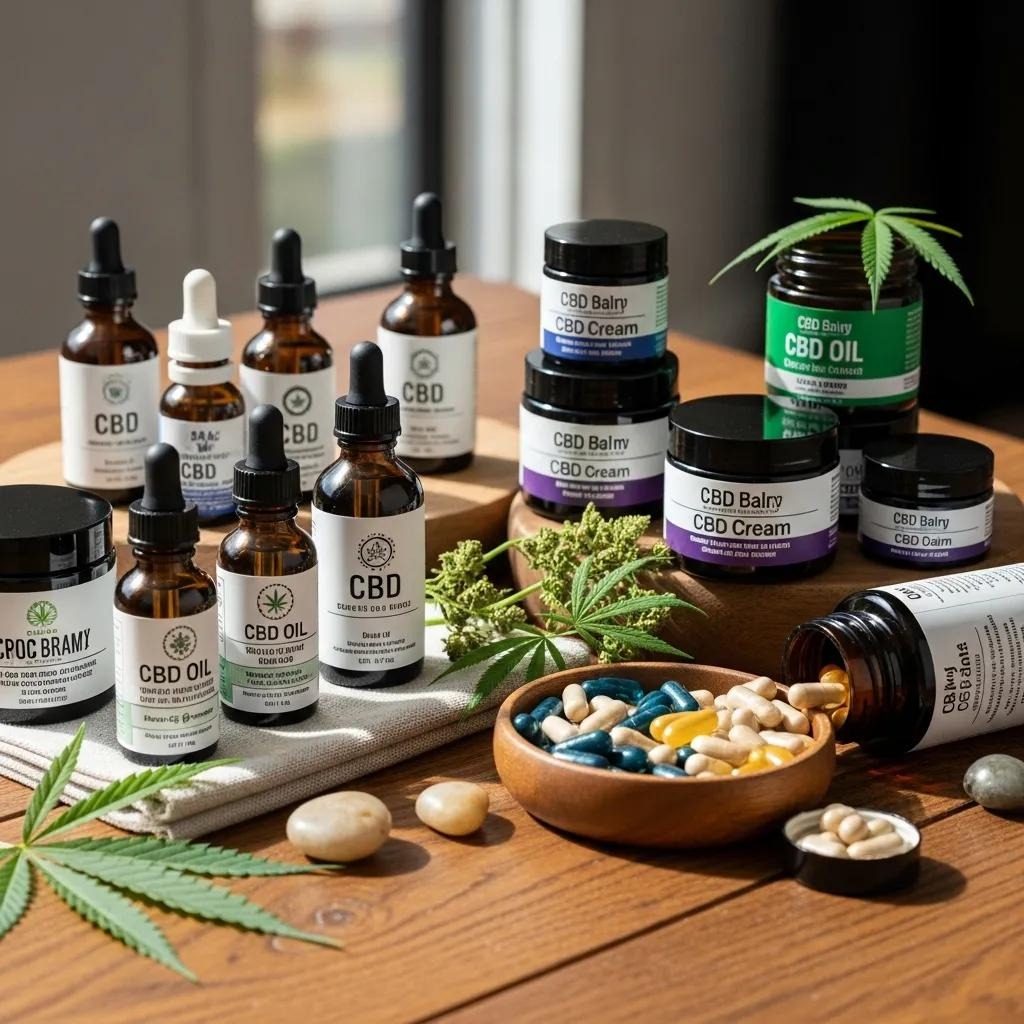
Cannabidiol (CBD) is a non-intoxicating compound found in Cannabis sativa plants, including hemp and marijuana varieties. It's commonly processed into oils, tinctures, capsules, and isolated powders. Unlike THC, CBD does not produce a psychoactive "high." [1]
Products are sold as full-spectrum (which contains trace THC and other cannabinoids), broad-spectrum (contains multiple cannabinoids but usually no detectable THC), or CBD isolate (pure cannabidiol).
Because product legality, potency, and purity vary by jurisdiction and vendor, clear labeling and third-party lab testing are important when evaluating any CBD product. These differences also explain why clinical studies should specify product type and purity when testing CBD for mood effects. [2]
CBD may influence depressive symptoms through several biological pathways: it can interact with serotonin receptors (notably 5-HT1A), alter endocannabinoid signaling, and affect stress-response circuits in the brain.
Preclinical work shows CBD has been shown in animal models to reduce stress-related behaviors, support synaptic plasticity, and influence neuroinflammatory signals tied to mood regulation.
Those mechanisms make CBD a plausible candidate for study in depression, but receptor-level and animal findings alone do not necessarily prove it works reliably in people. Translating these signals into clear clinical benefit requires larger, well-controlled human trials using standardized products and doses.
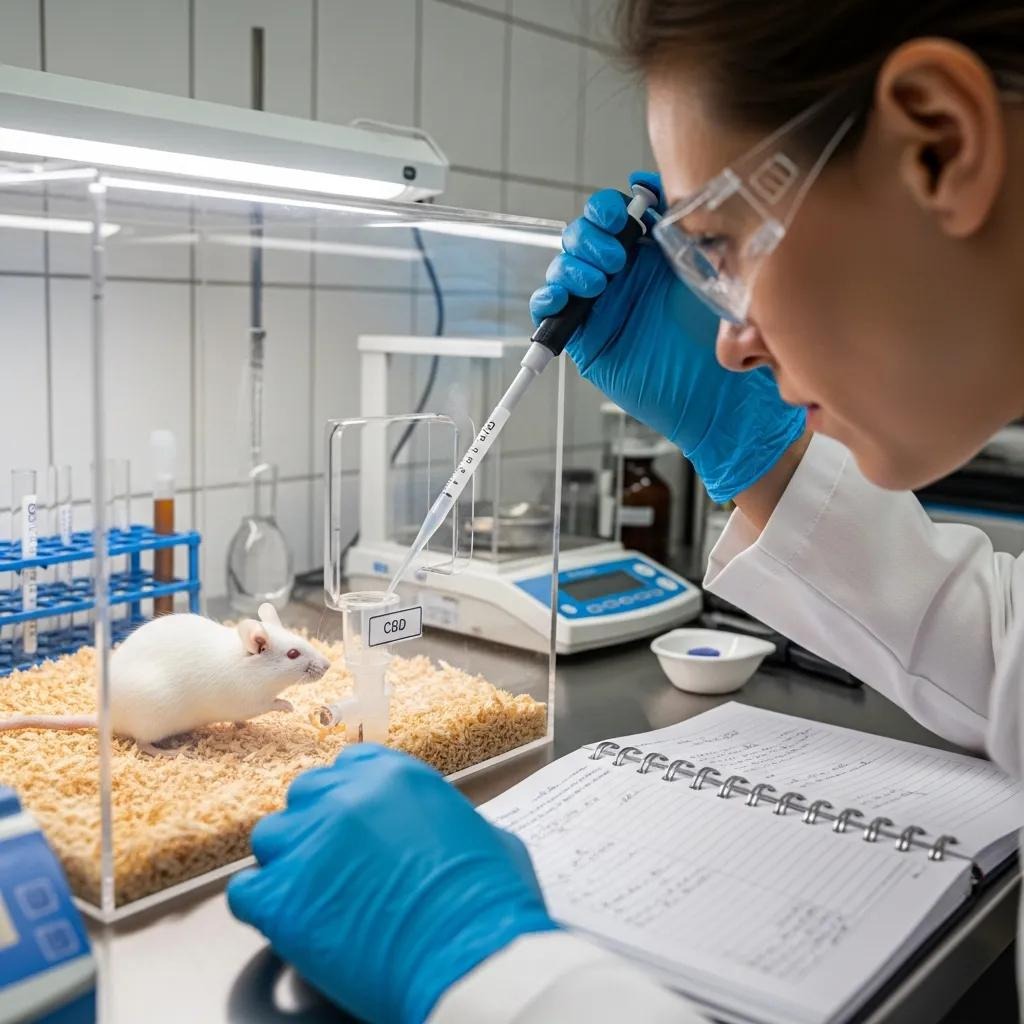
In animal models, researchers often observe antidepressant-like effects across tests such as forced-swim or chronic-stress paradigms. Reported mechanisms include increased neurogenesis and enhanced synaptic plasticity.
These preclinical studies help identify biological targets, like serotonin receptor modulation and endocannabinoid signaling, that may be relevant to mood disorders. Still, animal models can't capture the full complexity of human depression, which involves diverse symptoms, co-occurring conditions, and social factors. [3]
Carefully designed human studies are needed to determine whether the preclinical promise translates into meaningful clinical benefit.
The table below summarizes representative study types and key takeaways to help clarify gaps between animal and human evidence.
Clinical trials of prescription cannabidiol oral solution report common side effects such as somnolence or fatigue, decreased appetite, diarrhea, and weight loss. Dose-related elevations in liver enzymes are also seen, particularly at higher doses and in patients taking valproate or clobazam.
Most reactions are mild to moderate, but some patients require dose reduction or discontinuation, so routine liver function monitoring is recommended, especially when cannabidiol is used with other medications that affect the liver or the central nervous system. [4]
Over-the-counter products vary widely in purity and dose, so the safety profile seen in a trial may not match real-world products. Talk with a clinician before adding any new supplement, particularly if you’re taking psychiatric medications.
Product composition and uncertain dosing can influence safety risks. The table below compares common product types and their safety implications.
Because product types differ, the lack of standardization makes clinical recommendations about CBD for depression challenging.
Professional care matters because depression requires accurate diagnosis, assessment for suicide risk and co‑occurring conditions, and a coordinated plan that may include therapy, medication, or structured programs. [7] A clinician can also monitor interactions and safety, especially when patients consider supplements like CBD.
Grand Rising Behavioral Health offers adult outpatient services, including a Partial Hospitalization Program (PHP), Intensive Outpatient Program (IOP), and Outpatient Program (OP), plus medication management, individual therapy, bereavement support, and virtual care.
Our hospitality-first, calming setting and experienced clinical team focus on personalized, evidence-based care that monitors for medication interactions and prioritizes safety. For adults in Massachusetts who want structured clinical support, these services provide a supervised alternative to unregulated self-treatment with CBD.
These coordinated options address clinical complexity in ways that an unregulated supplement cannot, reinforcing the value of supervised, evidence‑based care.
Cognitive Behavioral Therapy (CBT) helps identify and change thought patterns and behaviors that maintain depression, with strong evidence for symptom reduction. [10] Dialectical Behavior Therapy (DBT) builds emotion regulation and distress tolerance skills that stabilize mood and reduce self-harm in complex cases. [11]
Medication management offers evidence-based pharmacologic options with close monitoring to adjust dosing and monitor for interactions, which is important when patients consider adjunctive substances like CBD. Together, these approaches form integrated, well-supported pathways toward recovery that are usually safer and more reliable than unsupervised self-treatment.
It can be used, but caution is necessary. CBD may change how the liver metabolizes many psychiatric medications via CYP450 enzymes, which can alter drug levels and effects. Always consult your prescriber or pharmacist before combining CBD with antidepressants so you can safely monitor for interactions.
Timing varies. Some people notice changes within hours, while others report gradual differences over days or weeks. Effects depend on dose, product type, individual metabolism, and symptom severity. If you try CBD, track your symptoms and discuss them with your clinician rather than relying on immediate results.
Certain groups should be cautious or avoid CBD: pregnant or breastfeeding people, those with liver disease, and anyone taking medications known to interact with CBD. People with a history of substance misuse should also discuss risks with a clinician. A healthcare provider can help determine whether CBD is appropriate in your situation.
Full-spectrum products contain the plant’s full range of cannabinoids, including trace THC, which some suggest enhances effects through an "entourage effect." Broad-spectrum products include multiple cannabinoids but typically no THC.
CBD isolate contains only cannabidiol. Each option has different safety and testing implications, so choose based on your needs, look for transparent third-party testing, and when possible, review options with a clinician.
Disclaimer
The information in this article is meant for educational and informational purposes only. It should not replace professional medical or mental-health advice, diagnosis, or treatment. Grand Rising Behavioral Health offers evidence-based outpatient programs (including PHP, IOP, and OP), but individual needs and treatment timelines may vary.
If you or a loved one is dealing with mental health concerns, please reach out to Grand Rising Behavioral Health’s admissions team for a confidential consultation. Our licensed clinicians can evaluate your needs and help you start a safe, personalized care plan without delay.
1. https://pmc.ncbi.nlm.nih.gov/articles/PMC6770351/
2. https://jamanetwork.com/journals/jama/fullarticle/2661569#google_vignette
3. https://www.sciencedirect.com/science/article/pii/S0165032721006110
4. https://www.accessdata.fda.gov/drugsatfda_docs/label/2018/210365lbl.pdf
5. https://www.healthline.com/cbd/types-of-cbd
6. https://www.healthline.com/cbd/types-of-cbd
7. https://www.nice.org.uk/guidance/ng222
8. https://pmc.ncbi.nlm.nih.gov/articles/PMC2848466/
9. https://americanaddictioncenters.org/rehab-guide/levels-of-care
10. https://pmc.ncbi.nlm.nih.gov/articles/PMC3584580/
11. https://pubmed.ncbi.nlm.nih.gov/34519138/
We are a safe space – a haven for exceptional individuals to receive discreet, personalized, in-person treatment and care.




Accredited by The Joint Commission